




Hair loss is a common issue that affects millions of people worldwide, with both men and women experiencing its impact. According to the American Hair Loss Association, approximately 85% of men will experience some level of hair loss by the age of 50. Similarly, women account for around 40% of hair loss sufferers.
Hair loss can be caused by a variety of factors including genetics, hormonal changes and medical conditions. To effectively address hair loss, it’s important to understand its causes and explore the right treatments, allowing you to make an informed decision about what’s best for you.

Understanding Male Pattern Hair Loss
Male pattern hair loss, also known as androgenetic alopecia, is the most common type of hair loss affecting men. It typically starts in the late teens or early 20s and progresses with age. This condition can be emotionally challenging, but understanding it is the first step in addressing the issue.
What Causes Male Pattern Hair Loss?
Male pattern hair loss is primarily caused by a combination of genetics and hormones. The main hormone involved is dihydrotestosterone (DHT), a derivative of testosterone. DHT affects hair follicles, causing them to shrink over time. As a result, hair thins and eventually stops growing in affected areas.

How Does It Progress?
Male pattern hair loss usually begins with a receding hairline or thinning at the crown of the head. Over time, the hairline recedes further, and the thinning area may expand, leaving a horseshoe-shaped pattern of hair around the sides and back of the head. In some cases, the hair loss can be very significant, but it varies from person to person.
When Does Male Pattern Hair Loss Occur?
It can begin as early as your teenage years and progress over time. By the age of 35, approximately two-thirds (66%) of men will have some degree of hair loss. By age 50, 85% of men will experience noticeable thinning.
What Can Be Done About It?
While male pattern hair loss is primarily genetic, there are several ways to manage or slow down the process:
o Hair Loss Medications: Medications like finasteride may help slow hair loss or even promote some regrowth in certain individuals. These options can be discussed with a doctor.
o Hair Transplants: For more significant hair loss, surgical treatments like hair transplants are often the most effective options. These involve transplanting healthy hair follicles from one part of your scalp to another.
When to Seek Professional Help
If you’re noticing hair thinning or receding, it’s always a good idea to consult with a hair restoration specialist. Early intervention can help slow down hair loss and provide you with the best treatment options for your individual needs.
Final Thoughts
Male pattern hair loss is a common condition that many men face. Understanding its causes and options for treatment can help you take control of the situation. Whether through medication, surgical treatments, or lifestyle changes, there are ways to manage and slow the progression of hair loss. If you’re concerned about your hair, don’t hesitate to seek professional advice to discuss the best options for you.

Understanding Female Pattern Hair Loss (FPHL)
Female pattern hair loss (FPHL), also known as androgenetic alopecia, is a common condition that affects approximately 40% of women by the age of 50. Unlike male pattern baldness, which typically results in a receding hairline or thinning crown, FPHL usually causes general thinning across the top of the scalp. It often becomes more noticeable as women age, particularly after menopause, due to hormonal changes.
What Causes Female Pattern Hair Loss?
FPHL is primarily influenced by genetics and hormonal factors. As women age, hormonal fluctuations—especially during menopause—can cause hair follicles to shrink, leading to thinner hair. Other factors like nutritional deficiencies and certain medical conditions can also contribute to hair loss.
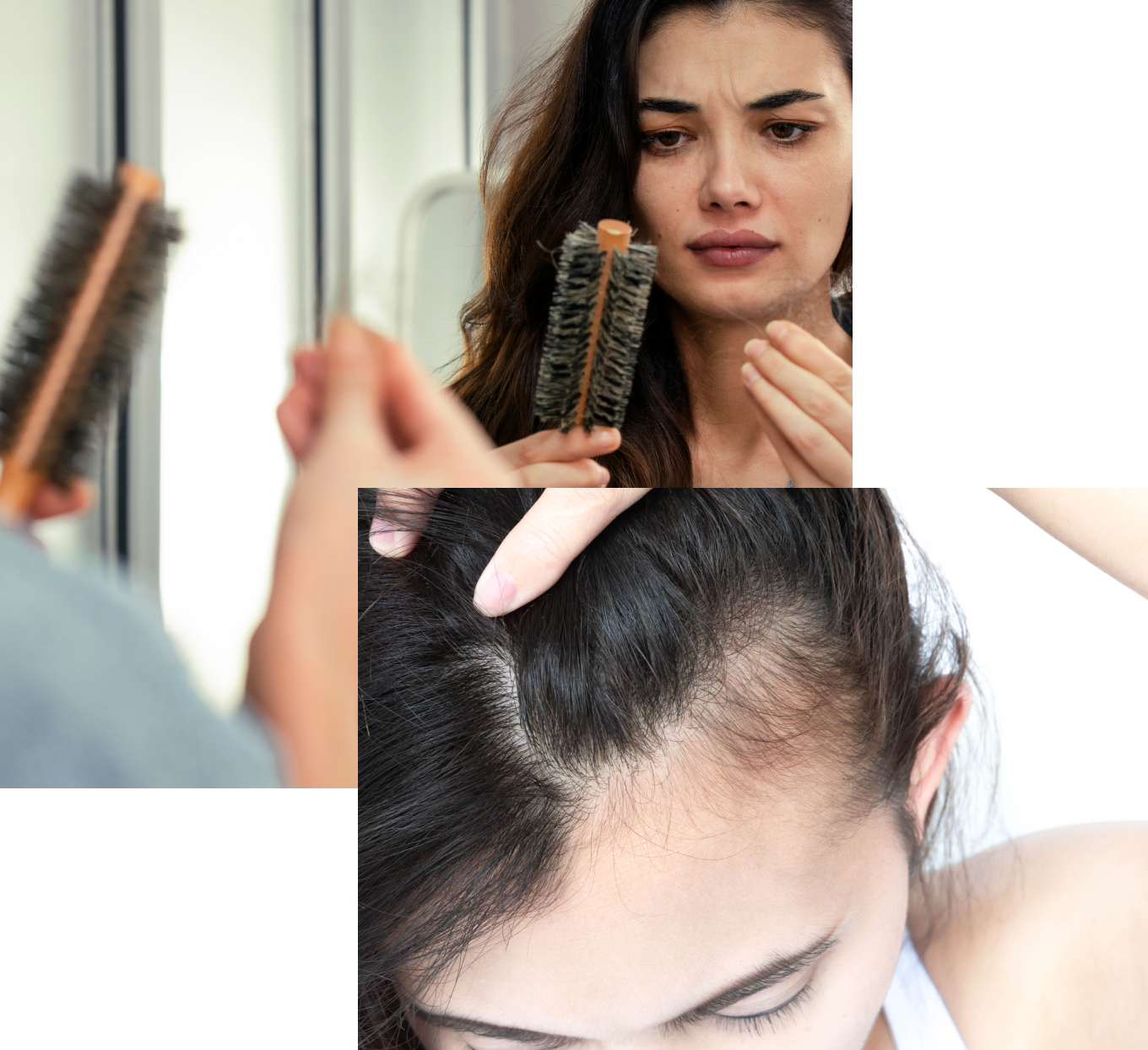
Treatment Options
While some treatments for male pattern hair loss, such as finasteride, are generally not recommended for women, minoxidil is often suggested for FPHL. This topical treatment can help promote hair regrowth and slow down hair loss. There are also many other treatment options available – it’s always best to consult with a healthcare provider to determine what the option is for you.
When to Seek Professional Advice
If you notice increased thinning or changes in your hair pattern, it’s important to seek professional advice. A healthcare provider can evaluate your condition, identify any underlying causes, and recommend a personalized treatment plan.
Emotional Well-being
Hair loss can have a significant impact on self-esteem and emotional well-being. If you’re feeling distressed, there are support groups and counselling services available to help you cope.
Understanding FPHL and exploring treatment options can help you manage the condition. Always seek guidance from healthcare professionals to find the most effective solution for your individual needs.

Understanding Alopecia Areata
Alopecia areata is a condition where hair loss occurs due to the immune system mistakenly attacking the hair follicles. This results in bald patches that can appear on the scalp or other areas of the body. While the exact cause isn’t entirely clear, experts believe that genetic factors, in combination with environmental triggers, can contribute to the onset of this condition.
This form of hair loss is relatively uncommon, affecting about 2% of people globally at some point in their lives. The condition can develop suddenly and vary in severity, with some individuals regrowing their hair over time and others experiencing recurring hair loss.


What Causes Alopecia Areata?
Alopecia areata is classified as an autoimmune disorder. In this condition, the body’s immune system, which typically protects against infections, mistakenly targets the hair follicles, leading to hair loss. The exact triggers for this malfunction are not well understood, but genetic predisposition combined with environmental factors like stress may play a role in its development.
While anyone can develop alopecia areata, it is more common among individuals with a family history of autoimmune conditions. Studies have suggested that certain genes might increase the likelihood of developing the condition, though more research is needed.
Treatment Options for Alopecia Areata
Currently, there is no permanent cure for alopecia areata, but there are treatments available that aim to manage the condition and stimulate hair regrowth. Some of the commonly used treatments include:


Topical Treatments
Steroid creams or ointments are often prescribed to reduce inflammation and encourage hair regrowth. These treatments are applied directly to the affected areas of the scalp.

Steroid Injections
In cases where topical treatments are not effective, corticosteroid injections may be administered directly into the bald patches to stimulate hair growth.

Oral Medications
Immunosuppressive drugs or corticosteroids may be recommended for more widespread hair loss. These medications help reduce immune system activity and can promote hair regrowth.

Topical Immunotherapy
This treatment involves applying chemicals to the scalp to create a mild allergic reaction, which may trigger the hair follicles to start growing again.
Coping with Alopecia Areata
Hair loss, especially sudden and unpredictable hair loss, can be emotionally distressing. It is completely normal to feel upset about the changes in your appearance. Finding a support network is crucial, and many people find that connecting with others through support groups or online communities can be helpful.
Additionally, discussing your feelings with a healthcare professional or therapist can provide guidance and support in coping with the emotional aspects of hair loss.

When to Seek Professional Advice
If you notice patches of hair loss or a sudden change in your hair pattern, it’s a good idea to consult a healthcare provider. A doctor or dermatologist can help assess your condition and rule out any underlying health issues. Early intervention can also increase the chances of effective treatment.
Conclusion
Although alopecia areata is a challenging condition, there are ways to manage it effectively. By staying informed about available treatments and seeking support, individuals can regain confidence and improve their quality of life. Remember, each case is unique, so it’s important to work with your healthcare provider to determine the best approach for you.

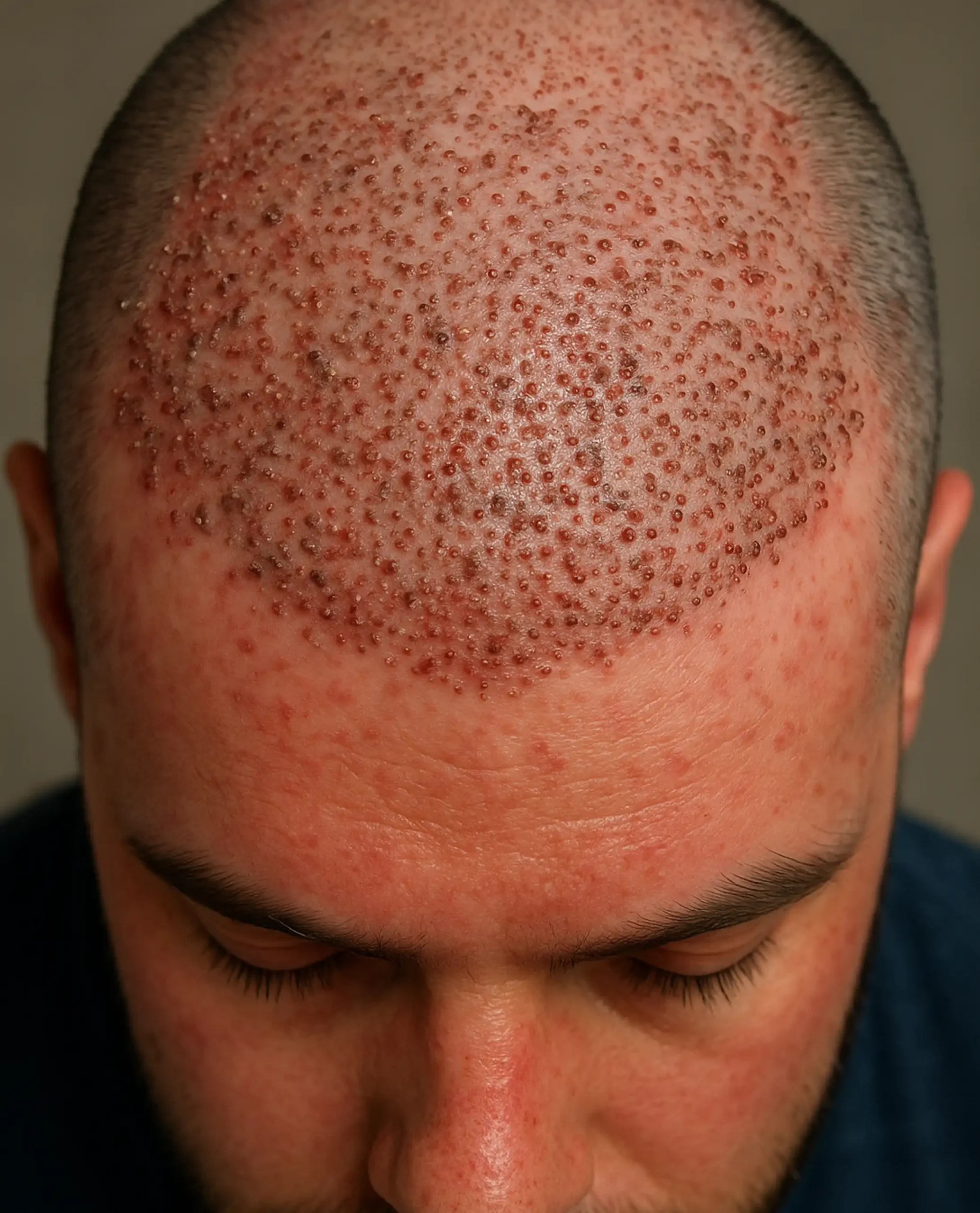
day 0-7
Initial Healing
Follow Aftercare Closely
Patients must carefully follow aftercare instructions, to ensure the best possible results.
Common Early Symptoms
Redness, swelling, and scabbing occur in the donor and recipient areas.
Mild Discomfort Expected
Mild discomfort, tightness, or itching may be present.
Scabs Begin to Fall Off
By the end of the week, swelling subsides, and scabs begin to fall off naturally.
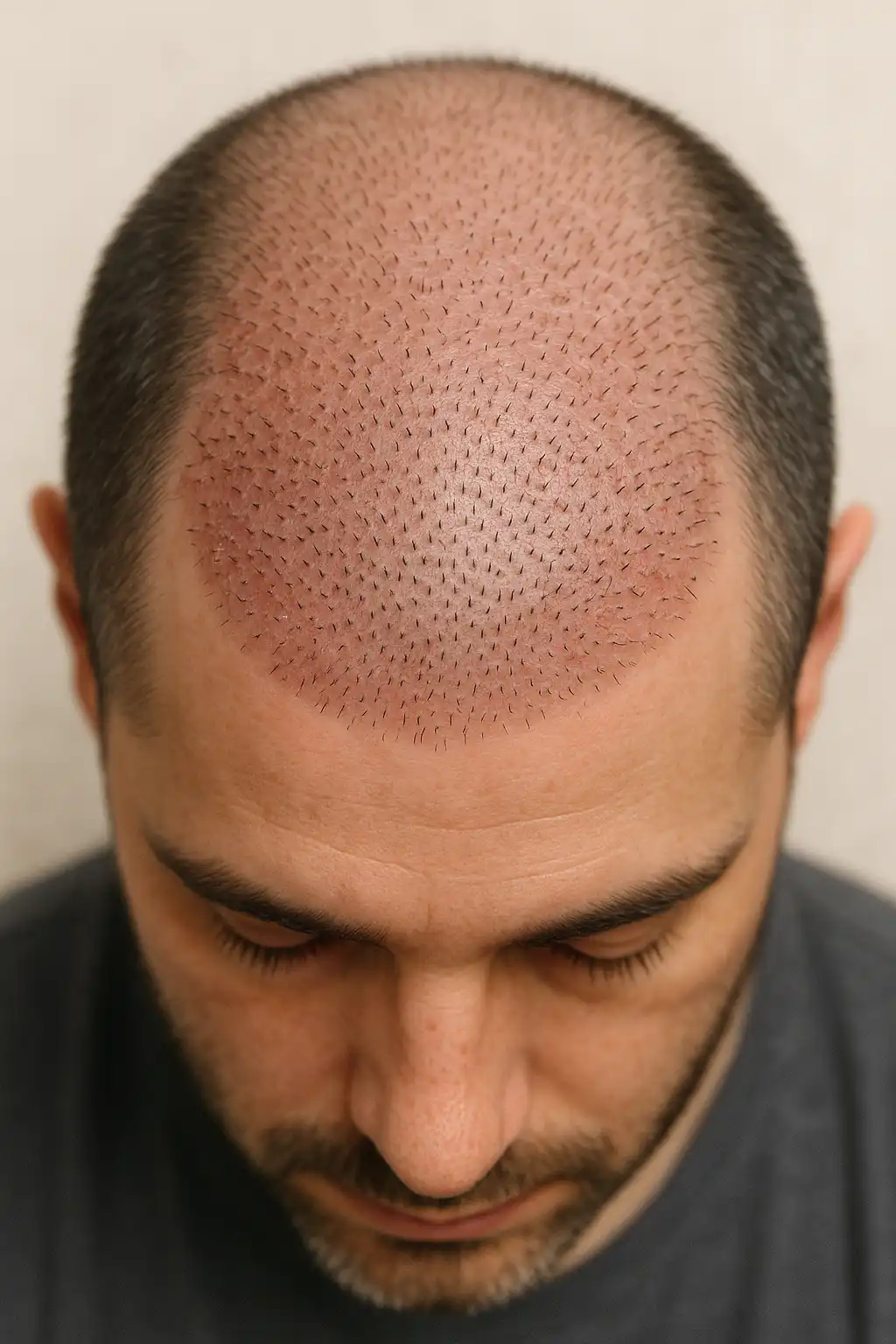
day 7-14
Scab Removal & Healing
Shedding of Scabs
Scabs continue to shed, revealing the implanted grafts.
Redness Begins to Fade
Redness in the recipient area starts to fade.
Gentle Washing Begins
Gentle washing is recommended, following a recommended timeline and technique.
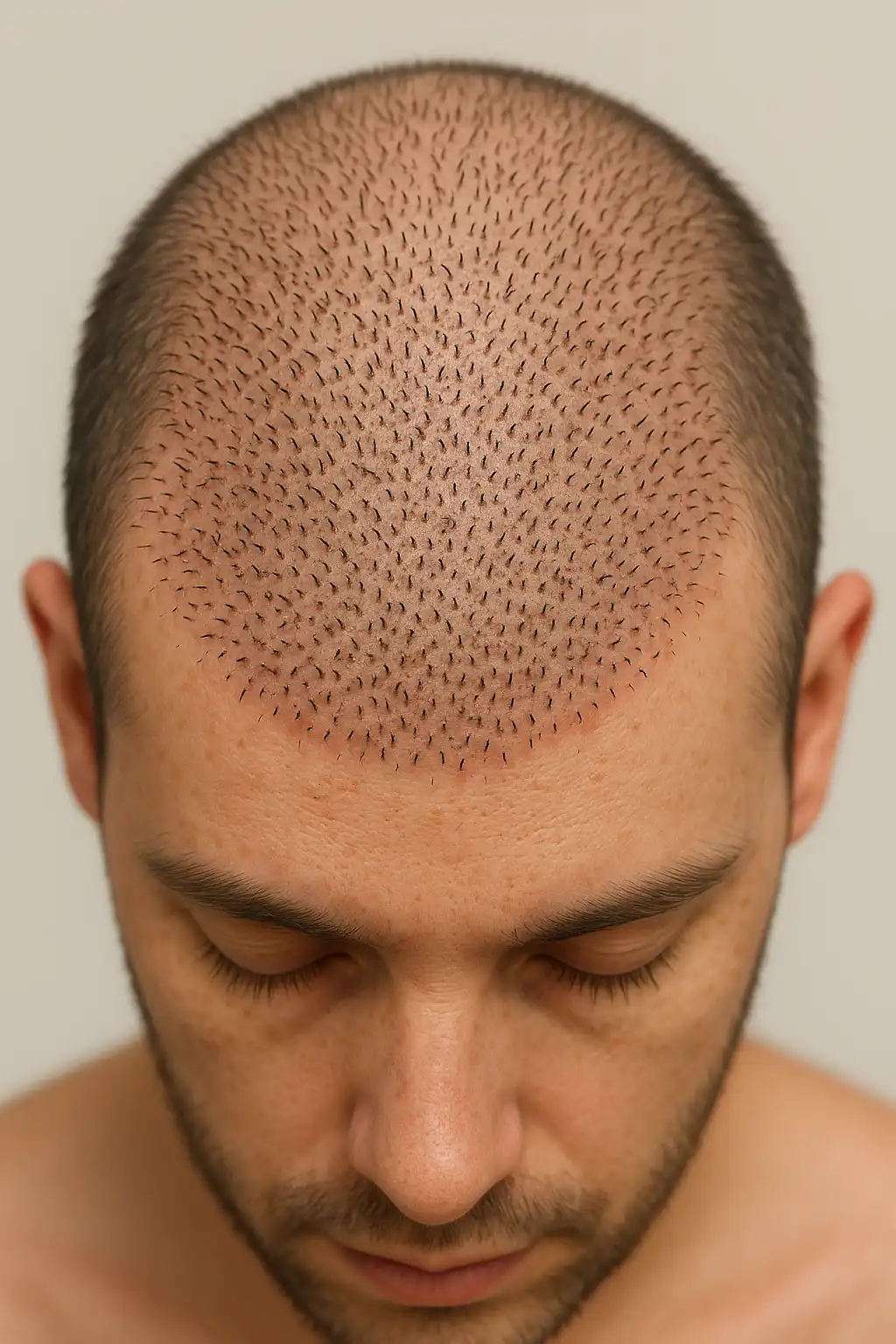
day 15-30
Shedding Phase
Transplanted Hair Sheds
Transplanted hairs begin to shed, which is completely normal.
Follicles Remain Intact
The hair follicles remain intact beneath the scalp, preparing for new growth.
Continued Scalp Recovery
The scalp continues to heal, and any remaining redness fades.
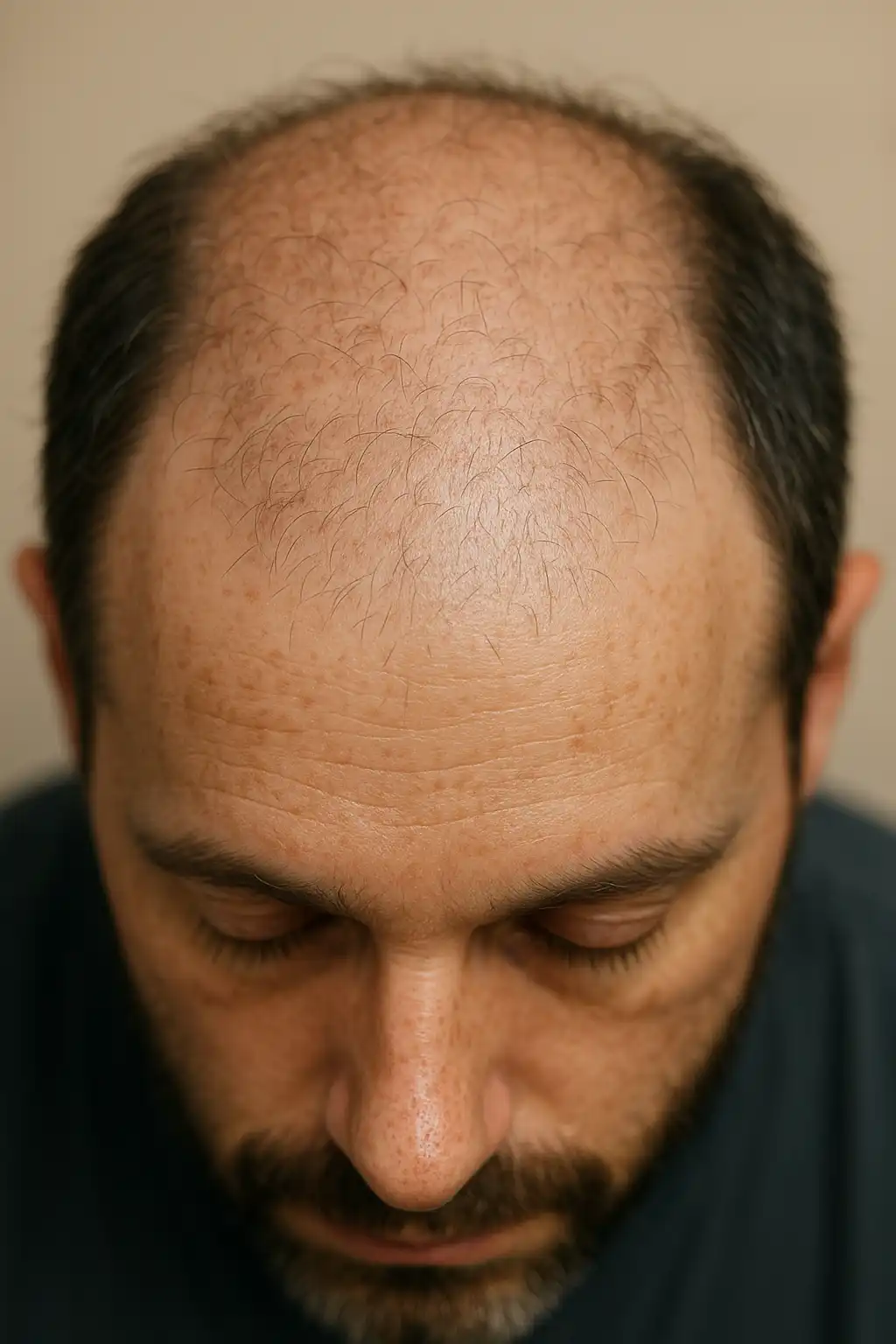
month 1-4
Dormancy & Early Signs
Resting Phase Continues
Most hair follicles remain inactive, with little visible change.
Shock Loss May Occur
Some temporary thinning in surrounding hair is normal.
First Hairs Begin to Emerge
Fine, soft hairs may begin appearing around Month 3 or 4.
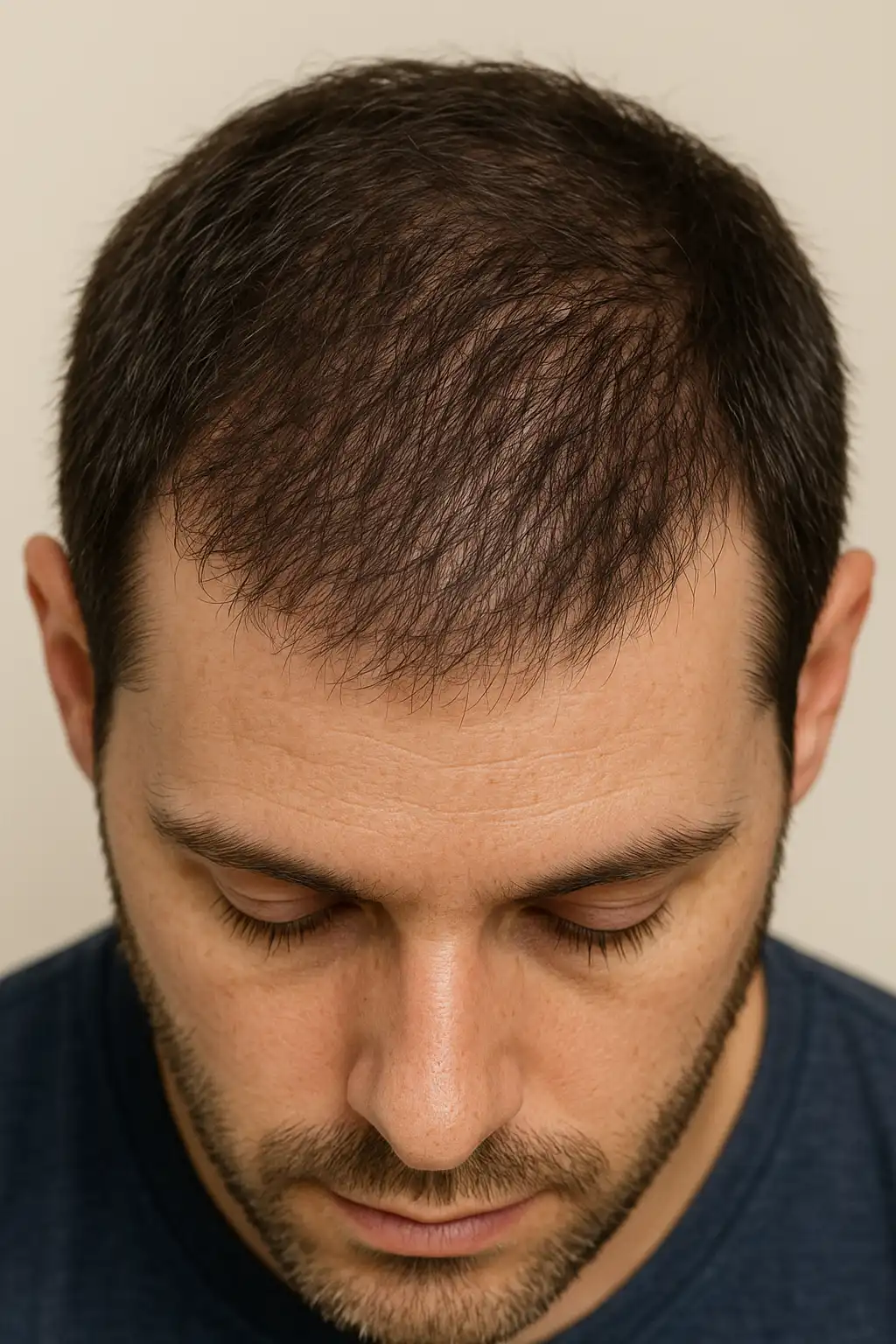
month 4-6
Visible Hair Growth
New Hair Appears
New hair becomes more noticeable, though it may still be thin or uneven.
Scalp Fully Healed
The donor and recipient areas are fully healed.
Density Starts to Build
Density begins to improve, with hairs gradually thickening.
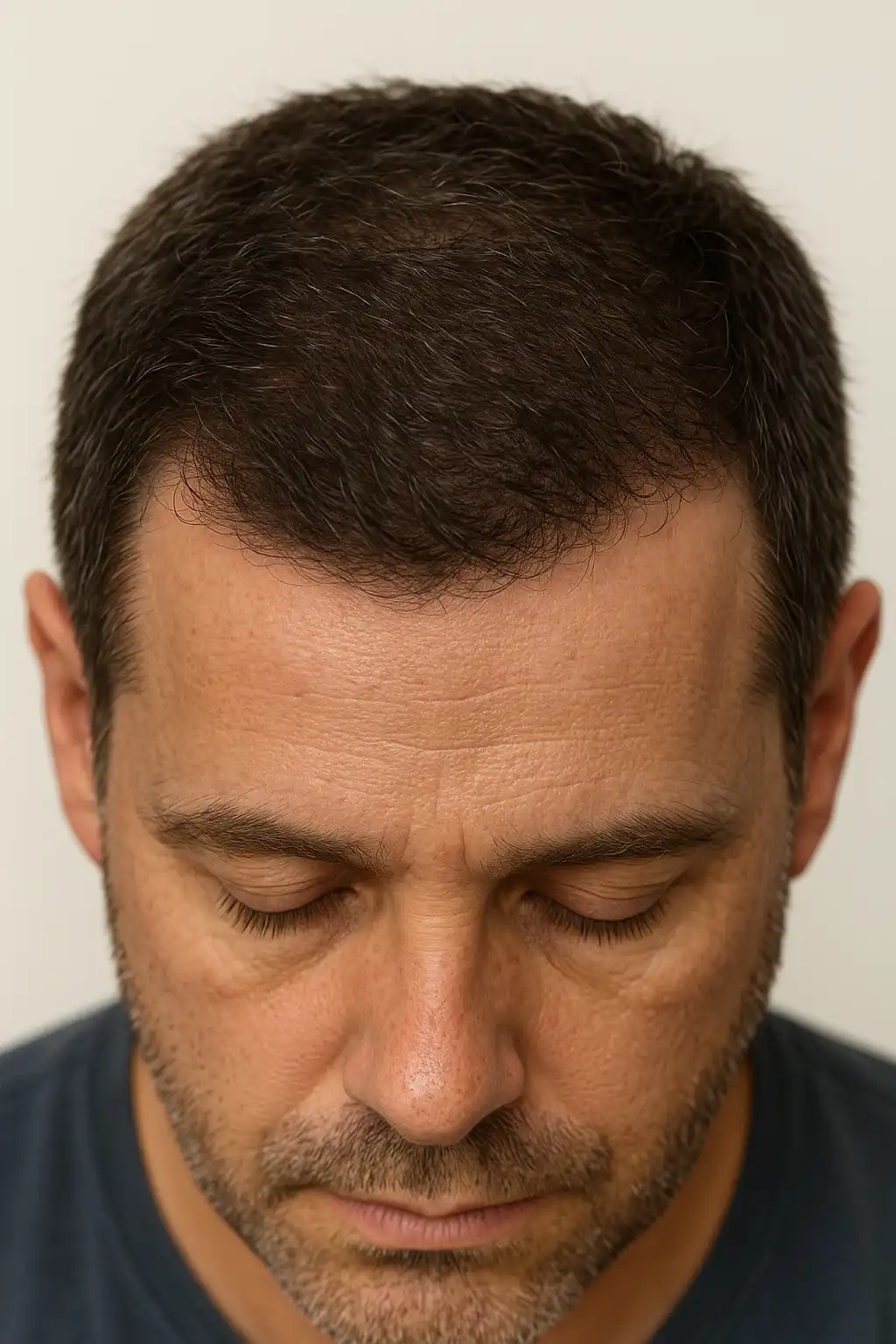
month 6-12
Thickening & Maturation
Hair Becomes Stronger
Hair grows stronger, thicker, and blends naturally.
Majority of Results Visible
By Month 9, 60-80% of the final result is visible.
Defined Hairline Forms
The hairline becomes more defined, and density increases significantly.
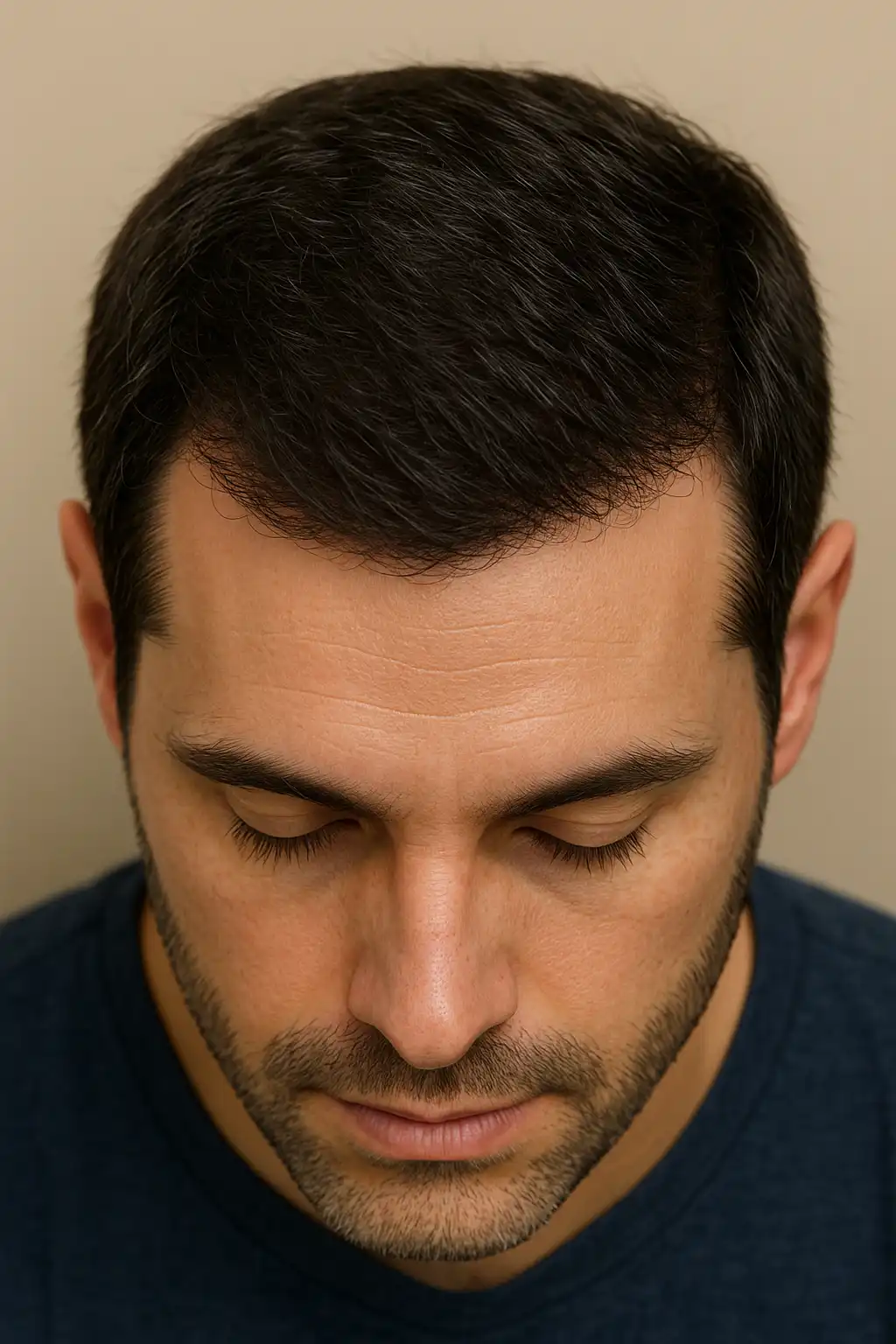
month 12-18
Full Growth & Final Results
Full Texture & Coverage
The transplanted hair reaches full thickness and texture.
Complete Growth Achieved
By Month 18, the final outcome is complete, and hair can be styled as desired.